


Deinfluencing is the opposite of influencing. (Obviously.) Or is it..?
Deinfluencing is a content trend in which creators advise their audience against purchasing a product or service, or against making irrational lifestyle decisions. Their videos are usually based on research, and, most importantly, their own experiences with the products, services, and life.
You could say, “deinfluencing” is a societal movement that encourages people to be more critical and aware of the things they may be inclined to purchase due to the power of brand marketing, which often tends to overhype and underdeliver.
While most marketers, businesses, and brands may find this movement counterproductive to the industry, short-form content creators and influencers might disagree.
Deinfluencers are often influencers themselves. Their goal is to raise people’s awareness on the surface and build trust, connection, and loyalty between the lines.
If you are an influencer or strive to become one, this trend is for you.
Why Is Deinfluencing Trending?
- People Crave Authenticity: People consume hundreds of videos every day, and depending on their opinion of the video, it either receives engagement or gets skipped.
Considering the amount of content out there today, people are becoming numb to it. Being authentic is one of the only feasible options to stay relevant.
There are also tons of overhyped products and services out there. Over time, this has resulted in a buildup of distrust and skepticism from the audience.
Deinfuencing balances that out – it’s authentic and earns creators credibility points. - Influencers Need A Loyal Audience: The need for authenticity inevitably flows into audience loyalty. Creators and influencers who practice deinfluencing can earn more trust and be considered more credible by the audience, boosting their sales and ROI.

Step-By-Step Guide To Deinfluencing, and Content Ideas
Step 1: Understand The Core Concept Of This Trend
Deinfluencing isn’t just about advising people against products, services, or brands. It’s about encouraging smarter financial decisions, sharing your own experiences, and empowering people to make smarter choices.
Your goal as a deinfluencer is to become a trustworthy advisor (not just a critic) by doing the following:
- Exposing overhyped products and services;
- Highlighting hidden downsides, such as fees, potential issues, side effects, and other potential pitfalls of the product or service;
- Promoting intentional spending, mindful research, and better alternatives to the products/services you are critiquing.
Remember: your critique needs to be based on factual information and personal experience, not just personal disfavor.
Step 2: Pick A Niche
Pick your niche, or, if you are already an influencer, stick to your niche.
For example, if you talk about tech on your channel, don’t try to deinfluence your audience against make-up products. If your expertise lies in house plants, the automotive industry does not belong in your deinfluencing content.
Here are some content ideas for you:
- Entrepreneurship: Call out overpriced software tools and the disadvantages you’ve noticed after testing them. Offer an alternative tool that you enjoy using and that is more budget-friendly for beginner freelancers.
- Beauty: Do an honest review of a skin care product that is going viral on social media. Do a side-by-side comparison of the viral product and the one you use daily. Shine the light on the advantages and disadvantages, and end your video with a final verdict of which product you believe is better.
- Sales: If you can purchase someone’s course and give it your best shot, do it and create an honest video review of it, following it up with the course you sell or promote. The course you review might be better or more effective, with the only advantage being the price – and that’s okay. This still builds your credibility and makes your audience trust you more.
- Lifestyle: Create a video about budgeting and its benefits for finances. Deinfluencing isn’t just about advising against brands and products. It’s also about promoting a better lifestyle and encouraging smarter decisions overall.
So, deinfluence people against poor financial decisions, provide a sustainable alternative, and offer a step-by-step path to getting there more efficiently. - Tech: Review various AI tools that revolve around the same niche, such as note-taking AI tools. Deinfluence those you believe are overpriced and recommend better alternatives.
- Health: Create content, debunking obesity, heavy drinking, and vaping (in separate videos). Get into details when describing the consequences of an unhealthy life, and offer easy-to-implement solutions to turn their lives around.
If you’re just starting your channel, mention your intentions in your bio. For example, you could say, “I help people avoid scams, save money, and improve their finances.”
Step 3: Build And Maintain Your Trust
The audience listens, follows, and engages with deinfluencers they trust; therefore, your content should have proof of your criticism. Ensure you show the following:
- Transparency: Disclose when you’ve been sponsored by a brand to talk about their product, when you’re using an affiliate link, or when you’ve been sent samples.
- Research and Receipts: Include screenshots, side-by-side comparisons, product tests, credible research sources, or ingredient lists.
- Personal Experience: Your personal story with the product, brand, or service goes a long way.
Pro tip: Create an “evidence bucket” with photos or videos of the products you used, links to sources you’ve used for research, and comparison spreadsheets.
Step 4: Choose Your Deinfluencing Format
Here are several formats for you to choose from:
- Regret Through Storytelling: Start your story with “I bought the viral skincare product, and this was my experience.” Your story should include the things that were promoted, your personal experience with the product, the results (or lack thereof), and your disappointment.
- Direct Call-Out: Pick a product or service you know for a fact isn’t good for people or the environment. Start off with a bold statement and then show the facts and proof.
- Myth-Crushing: If your account revolves around weight loss, you could do a review on a viral supplement or medication. For example, “That viral weight loss pill? Here is the truth and the aftermath.” Show your research and mention credible sources in your video.
- Better Alternatives: There are alternatives to everything. Pick your niche and product, and offer several other options to your audience.
- Cost Breakdown: Highlight how overpriced something is. If the product relates to a niche you’re an expert in, show people how to avoid being taken advantage of or how they can make it themselves.
You can choose a couple of the formats and stick to those or alternate between all of them – up to you.
Step 5: Build A Monetization Plan
Your monetization needs to align with your core message. Prior to recording and posting your videos, decide which brands or products align with your core values and which ones you’ll never mention in your channel.
Then, implement the following monetization options:
- Affiliate Marketing: Link to better product or service alternatives.
- Sponsorships: Promote companies you genuinely like and would recommend to your closest people without a heavy heart.
- Promoting Your Products and Services: Link out to e-books, guides, checklists, or your own e-commerce brand.
Step 6: Use A Content Planner
Create a content plan in advance – this will eliminate the “I don’t know what to post today” struggle. Here’s an example of one:
Monday – Do a deep dive into your niche and prepare your audience for a week of new insights, tools, and stories.
Tuesday – Call out a viral product and provide factual evidence to your statement.
Wednesday – Offer a better alternative to the product you mentioned on Tuesday.
Thursday – Share a regretful story about a different product.
Friday – Offer insights and suggestions on how your audience can avoid falling victim to a trend.
Saturday – Offer suggestions on what your audience can invest in instead of “hypey” things.
Sunday – Do a Q&A or run a poll on which product or software your audience would like to see you review next.
Step 7: Stay Ahead Of Trends
Relevance is key when it comes to deinfluencing. To remain relevant, you need to react fast to:
- Viral products
- New tools
- Seasonal trend cycles
Pro tip: Set up Google Alerts for the trending products relevant to your niche.
Setting Up Google Alerts:
- Go to Google Alerts. Click Sign in in the top right corner.

Use the Google account in which you’d like to receive alert notifications. - In the search bar, type the keyword or phrase you want to track.

Use quotes for exact matches and OR to track multiple terms. Then click Show Options.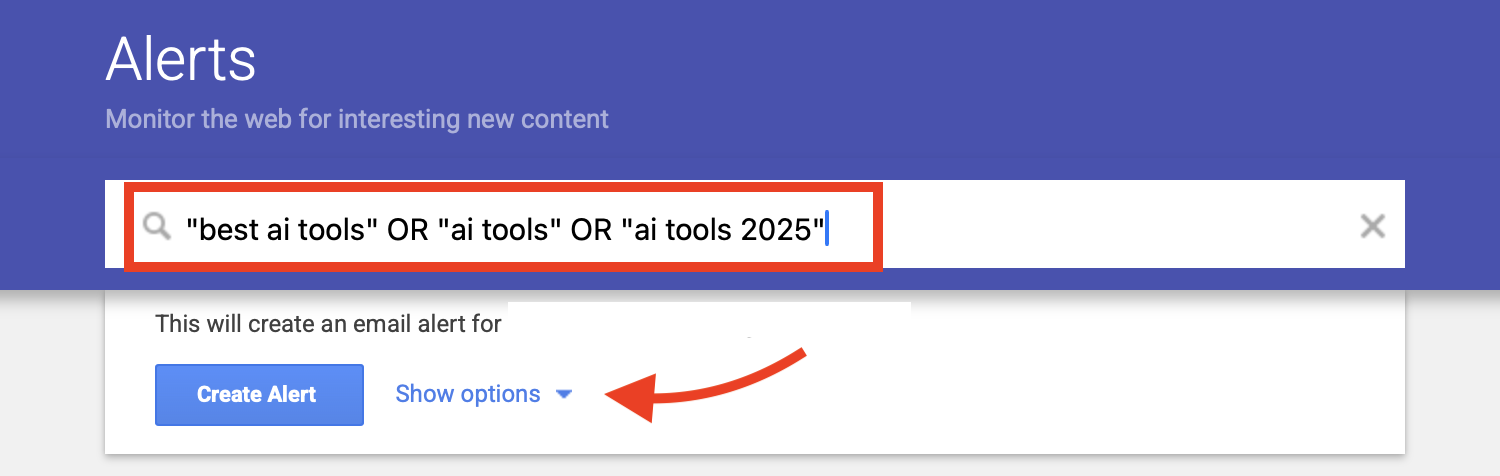
- Customize your alerts. Then click Create Alert.
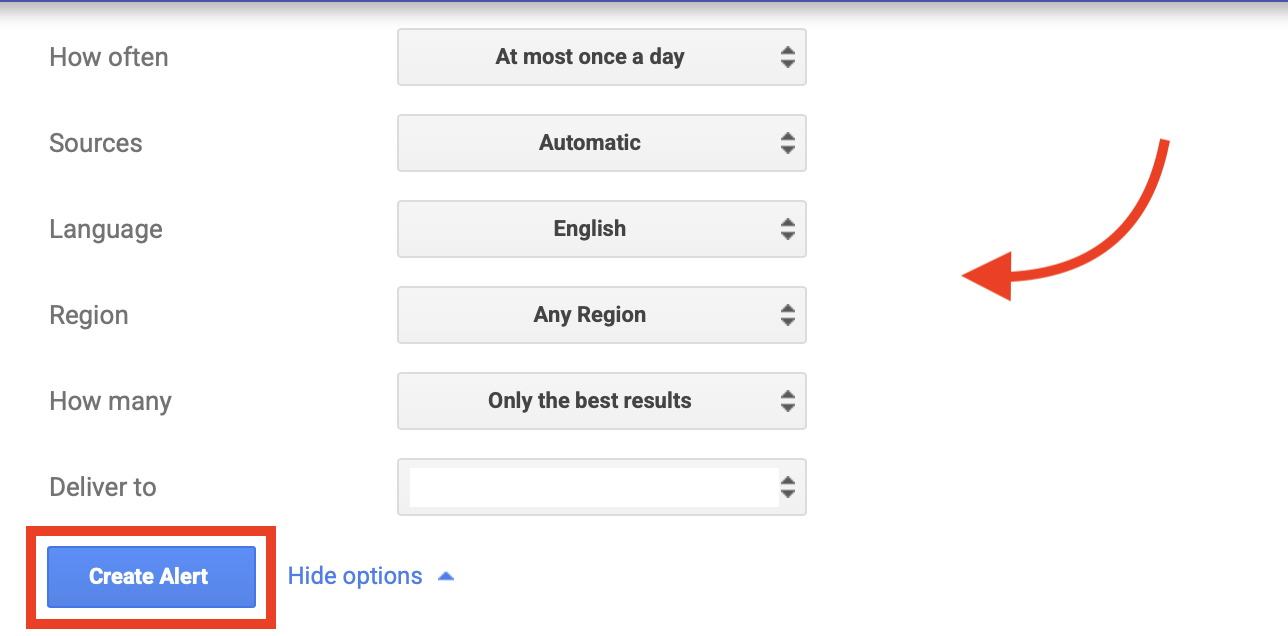
- Repeat steps 2 and 3 for each product or keyword you want to track.
Deinfluencing is a powerful content strategy that can help you establish credibility in your niche, build connections and trust with your audience, and improve your social media reputation.
This content strategy is a great addition to your existing content and a great start for new content creators.
Want more actionable tips continually? Subscribe to Vavoza Insider to access the latest business and marketing insights, news, and trends daily with unmatched speed and conciseness. 🗞️