


E-learning has revolutionized education by offering flexible, accessible learning options to millions worldwide. Platforms integrate AI and interactive tools to enhance engagement and outcomes.
The impact of e-learning includes broader reach to remote areas and personalized curricula, though challenges like screen fatigue persist.
Adoption surged post-pandemic, with online course enrollment growing by 20% annually. Institutions now blend hybrid models for better retention.
Why This Matters Today + Unique Perspective
E-learning expands opportunities for info product sellers to deliver scalable courses without geographic limits. Digital tools streamline content creation and student interaction.
Coaches benefit from data-driven insights to refine funnels and boost engagement. This shift supports automated workflows for personalized learning paths.
Overall, it lowers barriers to entry, enabling rapid audience growth and revenue diversification in competitive markets.
Many entrepreneurs still treat courses purely as revenue products. But in 2026, smart operators increasingly use courses as a strategic marketing asset rather than just a standalone offer.
Well-structured educational content naturally attracts high-intent audiences.
When someone enrolls in a course, they are not just consuming information – they are signaling interest, trust, and problem awareness.
This makes courses one of the most effective top-funnel mechanisms available.
Instead of relying exclusively on ads, social content, or lead magnets for direct promos, you can deploy courses to systematically build authority at scale.
A free or low-ticket course lowers friction, expands reach, and creates a direct value exchange that audiences willingly opt into.
More importantly, courses pre-frame your primary offer.
By educating prospects first, you can shape buyer beliefs, clarify problems, and increase perceived expertise before pitching services.
This shortens sales cycles and improves conversion rates because leads arrive informed rather than skeptical.
For coaches, consultants, and service providers, this model compounds.
- A course attracts leads.
- The course builds trust.
- The course qualifies buyers.
- The course funnels prospects into higher-value services.
So, rather than constantly chasing new attention, build an owned ecosystem where education feeds revenue.
Start by structuring courses around core buyer problems, decision frameworks, or industry misconceptions – content that naturally filters and attracts your ideal clients.
By the way, here’s how to strategically promote your course.
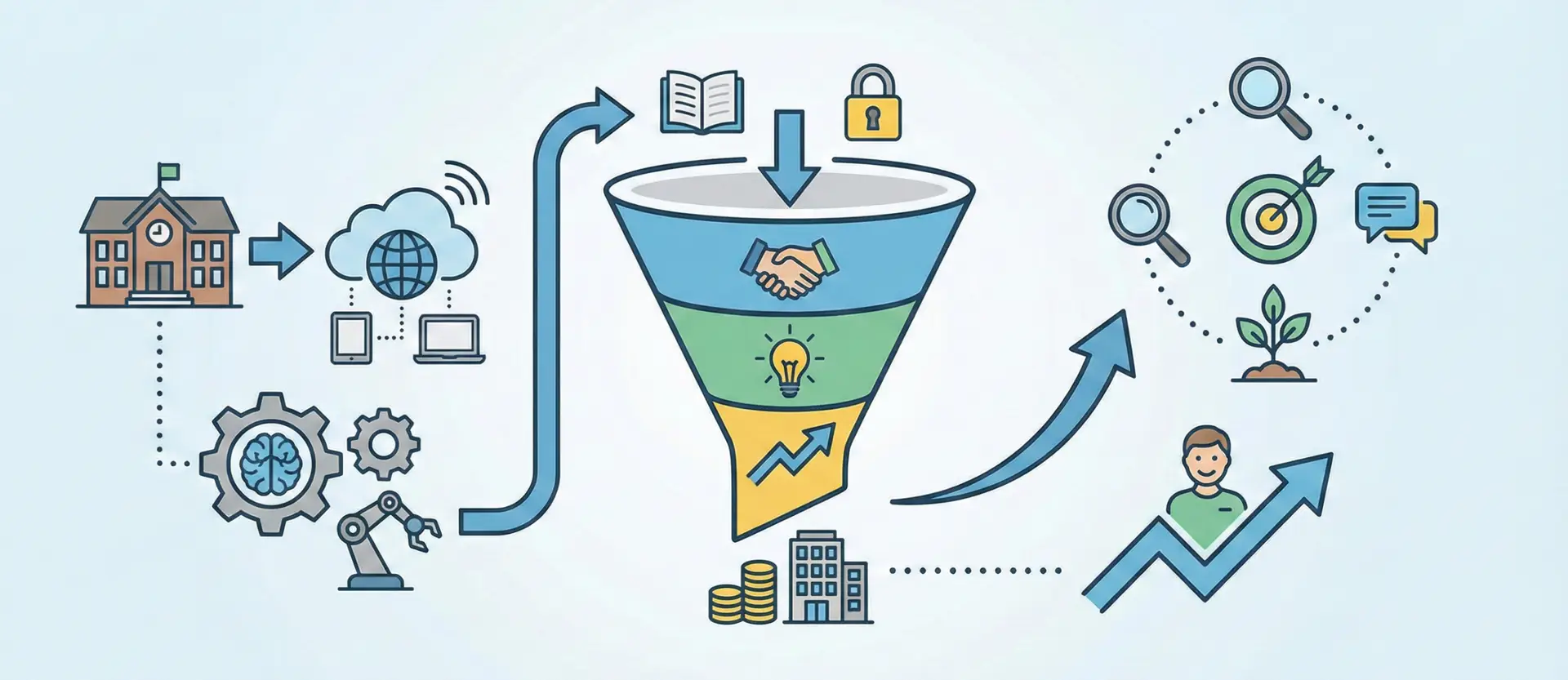
Our Key Takeaways:
E-learning’s rise offers actionable strategies for digital educators seeking sustainable growth.
- E-learning boosts accessibility, allowing global reach for educational content creators.
- Hybrid models improve retention, aiding funnel optimization in online coaching.
- Watch AI integrations for enhanced personalization in lead generation tools.
Would you like to keep up with the latest digital marketing trends and tech news daily with unmatched speed and conciseness? Subscribe to Vavoza Insider 🗞️