
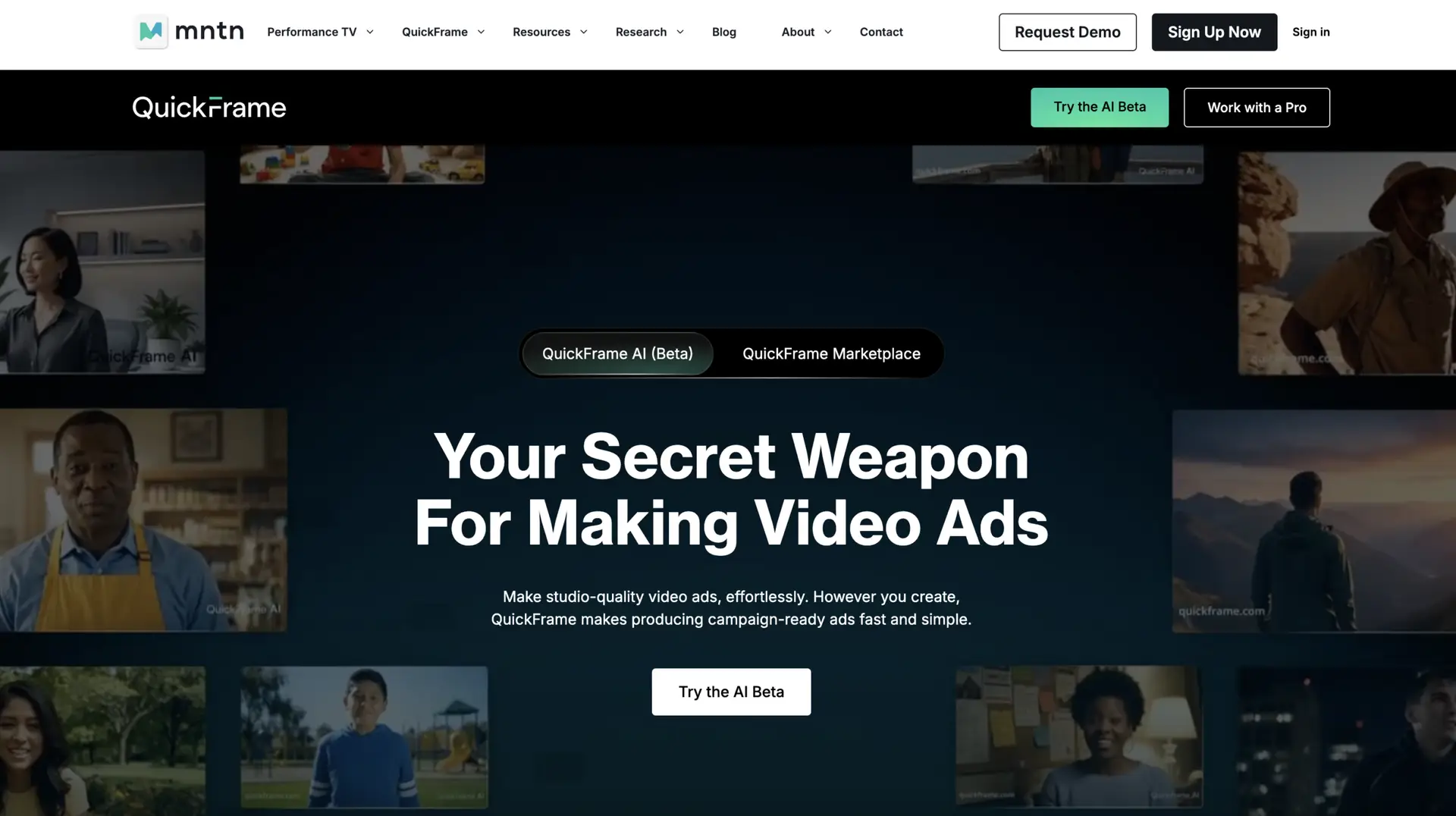

MNTN announced new features for its QuickFrame AI platform on January 29, expanding its AI-powered video creation tools for advertisers producing TV and social ads.
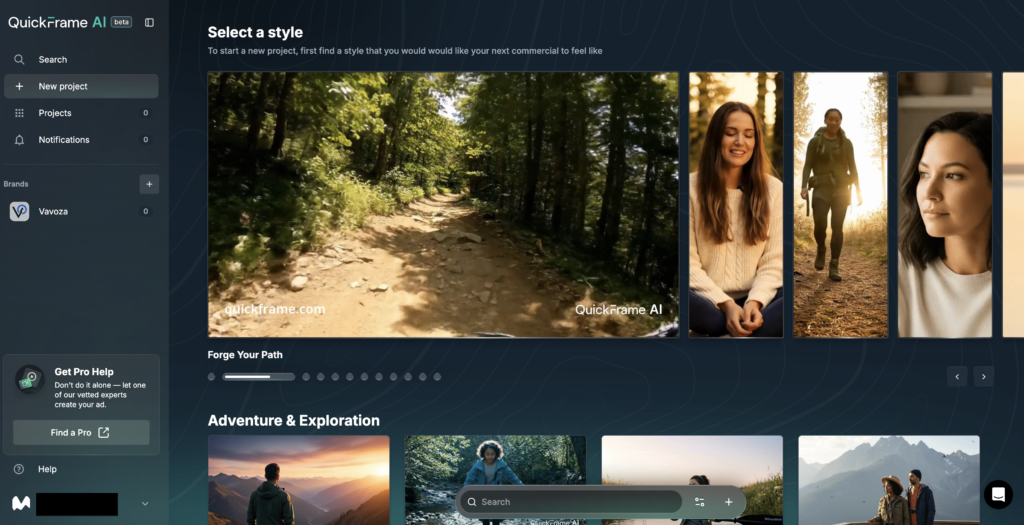
QuickFrame AI was designed to reduce creative production bottlenecks by allowing teams to generate performance-ready video in minutes.
MNTN said the latest update focused on scaling consistent, on-brand creative rather than one-off AI-generated videos.
The platform integrated AI generation with professional editing controls and supported direct exports to major ad platforms, including TikTok, Meta, and Google Ads.
New features included reusable products, characters, and locations that could be stored in a central library and reused across campaigns.
MNTN also added director-level controls for managing scene composition, character movement, and visual style, along with a new effects library for scene-level enhancements.
An upgraded orchestration layer coordinated multiple AI models to improve pacing, continuity, and visual context.
MNTN said QuickFrame AI had become one of the fastest-growing tools in its product suite since entering beta late last year.
The company also launched a new brand campaign highlighting the platform’s capabilities.
Why This Matters Today
The update underscored how video production has emerged as a limiting factor in modern performance marketing.
While targeting and measurement systems have become increasingly automated, many advertisers still struggle to produce enough high-quality video to support rapid testing and iteration.
MNTN positioned QuickFrame AI as a system for scaling creative output without sacrificing brand consistency.
By introducing reusable assets and centralized control, the platform addressed a common challenge for teams running multi-channel campaigns with frequent creative refresh cycles.
The focus on orchestration reflected broader trends in AI tooling, where quality gains increasingly come from coordinating multiple models rather than relying on a single generator.
For advertisers, this approach promised more predictable outputs suitable for paid media environments.
The launch also highlighted growing competition in AI-driven ad creation.
As connected TV and social video budgets continue to rise, platforms that shorten time-to-market for creative assets may gain an advantage.
MNTN’s emphasis on export-ready ads and direct platform integrations suggested a push toward end-to-end workflow ownership rather than standalone creative tools.
Our Key Takeaways:
MNTN expanded QuickFrame AI to move beyond single-use video generation toward scalable brand systems.
The new features emphasized consistency, control, and faster iteration across campaigns. AI orchestration played a larger role in improving output quality in paid media.
The update positioned QuickFrame AI as a production tool built for performance marketing workflows.
- MNTN added new QuickFrame AI features focused on scalable, on-brand video creation.
- The update introduced reusable assets, director-level controls, and enhanced AI orchestration.
- The release highlighted rising demand for faster video production tied directly to ad platforms.
You may also want to check out some of our other tech news updates.
Wanna know what’s trending online every day? Subscribe to Vavoza Insider to access the latest business and marketing insights, news, and trends daily with unmatched speed and conciseness. 🗞️